

Description
Trenbolone : Understanding the Power and Risks of This Potent Hormone
In the world of hormone science and muscle pharmacology, few names carry as much weight as Trenbolone. Known for its incredible potency, Trenbolone is an anabolic-androgenic steroid (AAS) belonging to the 19-nortestosterone (19-nor) family. While it shares a category with Nandrolone, its effects on the body are significantly more intense.
What is Trenbolone?
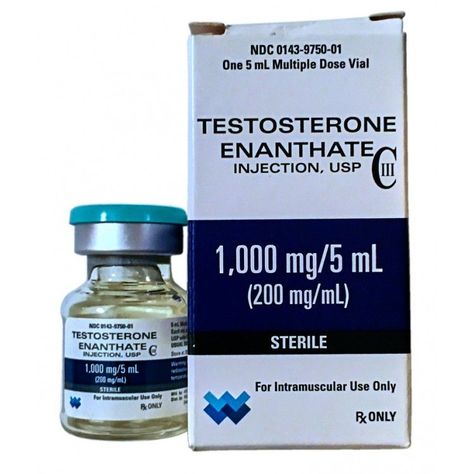
Trenbolone was originally developed for veterinary use specifically to increase the lean muscle mass of cattle before slaughter. Unlike Testosterone Enanthate, Trenbolone does not aromatize into estrogen. This means users often experience a “dry” look without the water retention or bloating associated with other hormones.
It typically comes in two common esters:
- Trenbolone Acetate: A short-acting version that requires frequent administration.
- Trenbolone Enanthate: A longer-acting version with a half-life of approximately 7–10 days.
Why It Is Considered “The Most Powerful”
Trenbolone is rated as five times more anabolic and five times more androgenic than pure testosterone. Its primary mechanisms include:
- Massive Nitrogen Retention: It is exceptionally effective at keeping the body in an anabolic state.
- Feed Efficiency: It allows the body to extract more nutritional value from every gram of protein and carbohydrate consumed.
- Increased Red Blood Cell Count: This can lead to enhanced vascularity and muscular endurance.
Significant Side Effects and Risks
Because its is so powerful, its side effects are equally substantial. It is not approved for human use by the FDA and carries high risks, including:
- Night Sweats and Insomnia: Often referred to as Trensomnia.
- Cardiovascular Strain: It can significantly lower “good” HDL cholesterol and increase blood pressure.
- Mental Side Effects: Users frequently report increased anxiety, irritability, and aggression.
- Progestogenic Activity: While it doesn’t turn into estrogen, it can still cause prolactin-related issues.
Summary
remains a topic of fascination due to its ability to rapidly transform body composition. However, due to its Schedule III status and lack of human medical application, it remains one of the most dangerous substances in the hormone category if used without expert clinical oversight.
Reviews
There are no reviews yet.